Reminder from a Widow
August 31, 2026 Leave a comment
I have often said, “No one gets more out of my sermons than me.” I don’t mean to sound prideful, but it’s the truth much of the time, and should be true all the time. After all, if I’m studying God’s Word, it should have an impact on me, right?
Then too, I’ve learned that the message I’m delivering to the congregation is most effective when it’s first preached to me. Not only is this the preferred practical outcome, but I also believe it’s the Lord’s plan that our sermons preach to us first. If the message is to strike a responsive chord in the hearts of the listeners, it should first ring true in the heart of the preacher.
In fact, in all areas of pastoral ministry, not just preaching, I’ve found it is in giving that I receive. I was reminded of this when reading the August 21 devotional in C.H. Spurgeon’s classic, Morning by Morning. Spurgeon wrote, “In order to get, we must give. To accumulate, we must scatter. To make ourselves happy, we must make others happy. To become spiritually strong, we must seek the spiritual good of others. In watering others, we are watered ourselves.”
Even in our pastoral care we are blessed by attempting to be a blessing. Spurgeon wrote, “Oh, what gracious lessons some of us have learned at sickbeds!” I agree. There were times I left the bedside of a seriously sick or dying parishioner and realized I had been standing on sacred ground, that in my attempt to bring something of God to my parishioner, God gave me something of Himself at the person’s bedside.
Our parishioners can teach us much about the things of the Lord if we’re perceptive enough to be teachable, as Spurgeon reminds us. “In our conversations with poor saints, we are taught the way of God more perfectly for ourselves, and we get a deeper insight into divine truth.” Many a time I learned much from the words or examples of my parishioners.
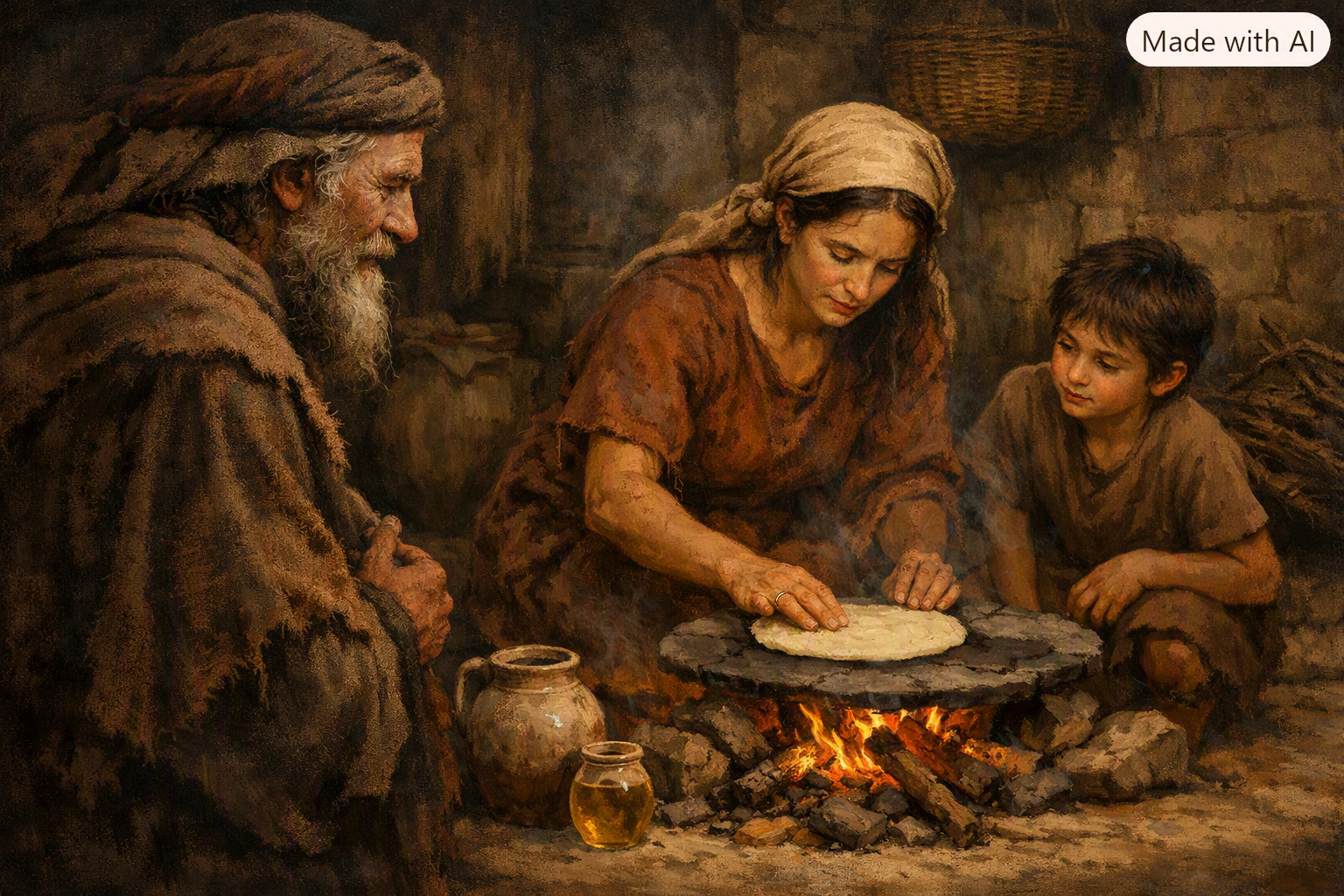
Spurgeon references the example of the widow of Zarephath who planned on making a final meal of a small cake for herself and her son with the little remaining flour and oil she had. The prophet Elijah insisted she feed him first. Out of obedience she did. To her delight she found that in her giving she received, abundantly, to the point that she and her son were fed through the duration of the famine by the now bottomless containers of flour and oil.
We pastors/preachers know the text well and have undoubtedly used it as our text for a sermon or teaching on several occasions. It would be good to look at it again, in a fresh way, with us as the target recipient! So, let me reprint it here for such a purpose.
“And Elijah said to her, ‘Do not fear; go and do as you have said. But first make me a little cake of it and bring it to me, and afterward make something for yourself and your son. For thus says the Lord, the God of Israel, ‘The jar of flour shall not be spent, and the jug of oil shall not be empty, until the day that the Lord sends rain upon the earth.’ And she went and did as Elijah said. And she and he and her household ate for many days. The jar of flour was not spent, neither did the jug of oil become empty, according to the word of the Lord that he spoke by Elijah” (1 Kings 17:13-16).
Ministry can be draining, no doubt about that. And we do need times of rest, renewal, and refreshment. But we also need to guard the self-talk that says all ministry is going to be draining. Often in the giving there is receiving. The widow of Zarephath reminds us of that!